Q&Q with The Linda Hall fellow Gabriel Coleman
At The Linda Hall, we invite you to unleash your curiosity by asking big questions and following where they lead. A quest for knowledge doesn’t have a defined stopping point, and there are always new questions to explore.
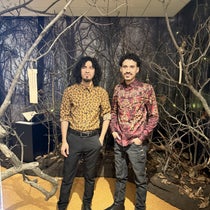
We chatted with The Linda Hall Fellow Gabriel Coleman—and we asked them to answer a question with a question.
1. What is the driving question behind your fellowship research at The Linda Hall?
How did the ideas behind the Tennessee Valley Authority's energy-focused development of the Tennessee River (dam building and industrial development) extend to the Authority's regional agricultural development work and its global fertilizer research?
How did the TVA's particular way of thinking about development help or harm communities in the Valley and its environment more broadly?
2. What big question—of your own, or from history—sparked your curiosity as a kid?
How did the rural Midwestern food systems and geographies I grew up with come to be, and how could these places and systems be made not only livable but beneficial for people?
Growing up in rural Minnesota, I was frustrated by how isolated we were, and that you needed to get in a car and pay for gas to go anywhere or get anything. At the same time, I was amazed by the garden my parents grew. We would often be on a knife edge financially, but we always ate really well because we grew so much of our own food. It was that contrast of isolation and abundance that really got me curious about rural and agricultural systems.
3. What is the next question you want to explore?
How do experts define agricultural "development," both in the second half of the 20th century and today? What changes about these definitions when we write agricultural history from the perspective of so-called developing regions and nations?
I've gotten really interested in postwar and Cold War-era efforts to use agriculture and fertilizer to pursue international development and decolonization. The TVA's fertilizer research center ended up doing a lot of international development work with the U.S. Agency for International Development. My research into Irish agriculture also looked a bit at how Ireland, and especially Irish agriculture, was situated between the developing postcolonial world and industrialized Europe. I’d like to use history to shake up some of the assumptions about these issues.
Meet our current cohort of fellows and learn about their projects HERE.